
The 5-Second Rule: Fun Myth or Food Safety Nightmare?
You drop a cookie on the floor. You look around - nobody saw. You count in your head… one, two, three - and pick it up. “Five-second rule!” you say, smiling. It’s something most of us have done. But is this famous “rule” safe, or are we inviting bacteria to our plates? Let’s dig into the science (and the floor crumbs) to see what really happens when food hits the ground.
11/8/20255 min read
What Exactly Is the 5-Second Rule?
The 5-second rule is a popular belief that food dropped on the floor is still safe to eat if it’s picked up quickly - within five seconds.
It’s not clear where it began, but historians think it may trace back centuries to royalty’s “rule of grace,” which said fallen food could still be eaten if retrieved quickly. Over time, it became a fun superstition that spread to family kitchens, playgrounds, and lunchrooms everywhere.
It’s an idea built on hope: If we can’t see the germs, maybe they’re not there yet.
Unfortunately, science says otherwise.
What Science Says About the 5-Second Rule
Food scientists have tested this rule - and the results aren’t in its favor.
Rutgers University Study
Researchers dropped different foods (bread, watermelon, gummy candy) on various surfaces - tile, wood, and carpet - for intervals ranging from 1 to 300 seconds.
Result: Bacteria transferred instantly. Even a contact time of less than one second was enough to contaminate the food.
Clemson University Study
Another team found that bacteria can survive on floors for days and easily jump to moist foods like watermelon or cooked pasta. Dry foods picked up fewer germs, but not zero.
What Really Affects Contamination?
It’s not the time that matters - it’s these 3 factors:
Surface type – Tile and stainless-steel transfer bacteria faster than carpet.
Food moisture – Wet or sticky foods attract more bacteria.
Surface cleanliness – Floors look clean but can harbor invisible microbes, even after mopping.
In short:
Bacteria don’t wait five seconds. They move instantly.
Why It Feels Harmless (But Isn’t)
Part of why the 5-second rule survives is psychology.
If food looks clean, we assume it is clean.
The truth is, the most dangerous bacteria - Salmonella, E. coli, Listeria - are microscopic. You can’t see or smell them, and it only takes a few cells to make you sick.
And while your immune system can often handle small exposures, it’s risky for young children, older adults, pregnant women, or anyone with a weaker immune system.
So that “harmless” cookie might carry a few invisible hitchhikers from the floor to your stomach.
Where Germs Like to Hide in the Kitchen
Even spotless-looking homes can have bacterial hot spots. Here are common areas people overlook:
Kitchen floors near the sink or trash can – splashes and drips carry bacteria.
Sponges and dishcloths – often the dirtiest items in the kitchen.
Cutting boards – raw meat juices seep into knife grooves.
Countertops near raw food prep areas – especially after handling eggs or poultry.
Cleaning regularly helps, but “clean” doesn’t mean “sterile.” It’s safest to assume that anything touching the floor - especially moist food - is contaminated.
Fun Fact: Floors Aren’t the Only Danger Zone
The 5-second rule has cousins you might recognize:
“If it smells fine, it’s fine.”
“Just cut off the moldy part.”
“Cold pizza’s safe all night.”
These are other kitchen myths that cause foodborne illnesses every year. Germs and toxins don’t follow human time limits or logic - they follow temperature and moisture.
What Happens When Food Hits the Floor
To visualize it, imagine a slice of watermelon dropping on a tiled kitchen floor.
Second 0.0: Food makes contact.
Second 0.1: Moisture from the watermelon dissolves bacteria biofilms on the tile.
Second 0.5: Bacteria latch onto the wet surface.
Second 1: Dozens of microorganisms are already stuck to the fruit.
So yes - germs are fast.
Real Food Safety Rules (That Actually Work)
If the 5-second rule is a myth, what should we do instead?
Here are five real-world rules that keep your kitchen safe:
1. If It Falls, Toss It.
When in doubt, throw it out. No food is worth the risk of getting sick.
2. Keep Floors and Counters Dry and Clean.
Bacteria love moisture. Wipe spills immediately, especially near the sink or trash area.
3. Use Separate Cutting Boards.
One for raw meat, one for ready-to-eat foods. Replace boards when they develop deep knife grooves.
4. Wash Hands Often.
Before cooking, after touching raw food, after cleaning.
Warm water + soap for 20 seconds = your best defense.
5. Teach Kids Early.
Turn it into a fun learning moment: “We don’t eat food off the floor, even if it’s fast!”
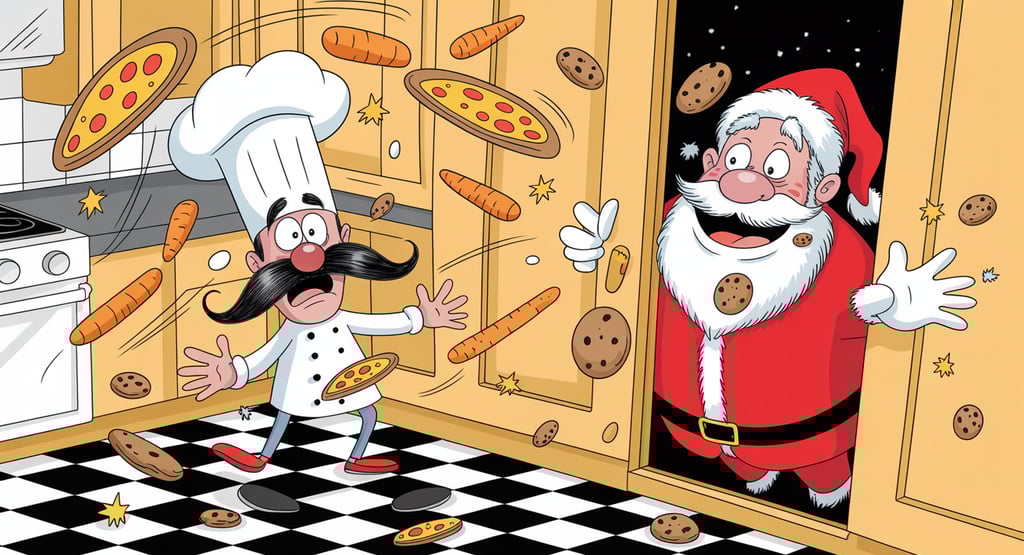
Seasonal Spin: Santa Says No to the 5-Second Rule!
Since Christmas is coming, let’s imagine Santa in the kitchen.
He’s decorating cookies, one slips off the plate and lands on the floor.
He chuckles and says,
“Ho ho ho - even Santa knows the 5-second rule is a myth!”
Instead, he picks it up with a spatula, tosses it away, and washes his hands before grabbing a new cookie.
Santa sets a great example for children: being careful, clean, and respectful of food safety is part of good habits - just like saying “please,” “thank you,” and brushing teeth before bed.
You can even include this in your holiday family lessons:
“Santa doesn’t eat food that fell on the floor, and neither should we!”
The Science Summary
Factor Effect on Contamination Safe Practice
Contact time Germs transfer instantly Never rely on timing
Food moisture Wet foods collect more bacteria Discard moist foods that fall
Surface type Tile > wood > carpet Clean and sanitize regularly
Surface cleanliness Hidden bacteria survive days Use disinfectant daily
Temperature Warm surfaces grow bacteria faster Keep environment dry and cool
❌ Common Misconceptions
“But I’ve eaten dropped food all my life and I’m fine.”
True, many people get lucky - but foodborne illnesses are under-reported. Minor stomach upsets are often blamed on “something I ate” without realizing it came from small contamination events like this.
“Dry food is safe.”
Dry food reduces transfer but doesn’t eliminate it. Even crackers or chips can pick up bacteria.
“I clean my floor every day.”
That helps tremendously! But bacteria can survive cleaning - especially if you’re using a dirty mop or sponge.
How to Teach This to Kids
If you have little helpers in the kitchen, this is the perfect chance to introduce food safety habits in a fun way:
Make a small “science experiment”: drop a piece of bread on a clean floor vs. on a paper towel and talk about where germs live.
Create a coloring page or poster: “5 Real Food Safety Rules” with drawings of handwashing, clean counters, and “No food from the floor!”
Reinforce positive phrases: “Clean food, happy tummy!”
Kids love rules that sound like games - just like your Santa Coloring Book teaches good habits through fun.
Bonus Tip for Parents & Home Cooks
If you ever really want to salvage food that touched a surface, do it safely:
If it landed on a clean countertop, and you plan to cook or reheat it thoroughly, it’s lower risk (though still not ideal).
If it landed on the floor, carpet, or any damp surface, skip it - bacteria thrive there.
Always consider: who will eat this?
If it’s for a child, elderly family member, or someone with allergies or weakened immunity - never take the risk.
Quick Cleaning Reminders
Keep your kitchen safer with these daily and weekly habits:
Daily
Disinfect countertops, sinks, and handles.
Wipe spills immediately.
Wash cloths and sponges in hot water.
Weekly
Clean under appliances (crumbs hide bacteria).
Sanitize cutting boards with diluted bleach or vinegar.
Small routines build lasting safety - and they prevent myths like the 5-second rule from tempting you in the first place.
Final Verdict - Myth Busted!
The 5-second rule might make a funny story, but science has spoken:
Bacteria don’t wait five seconds - they move instantly.
While most of us won’t get sick every time we bend the rule, it’s still a risk that’s easy to avoid. Keeping a clean kitchen, washing hands often, and tossing food that touches unsafe surfaces is the real secret to staying healthy.
So next time your snack takes a tumble, channel your inner Santa and say:
“Oops! That one’s for the floor elves.”
Then grab a fresh piece - because good food safety habits never go out of season.
Stay informed!
Subscribe to get the latest food safety tips!
© 2025. All rights reserved.
hello@foodsafetybase.com