
Is Your Kitchen Really Clean?
Understanding Microbial Growth on Everyday Surfaces - Kitchen Surface Hygiene Explained - When we think about a clean home, we often rely on what we can see, smell, or feel. Shiny countertops, fresh scents, and neatly organized spaces give us confidence that our environment is hygienic. But cleanliness isn’t only about appearances. Many microorganisms, such as bacteria, mold, and fungi are invisible to the naked eye and can remain on surfaces even after regular cleaning. This is especially important in areas where food is prepared, stored, or handled. Kitchens, appliances, and high-touch household surfaces can act as transfer points for microorganisms, potentially affecting food safety and overall household hygiene. A Home, Kitchen & Appliance Microbial Growth Test Kit offers a simple, educational way to better understand what may be present on everyday surfaces and whether current cleaning routines are truly effective.
2/14/20263 min read
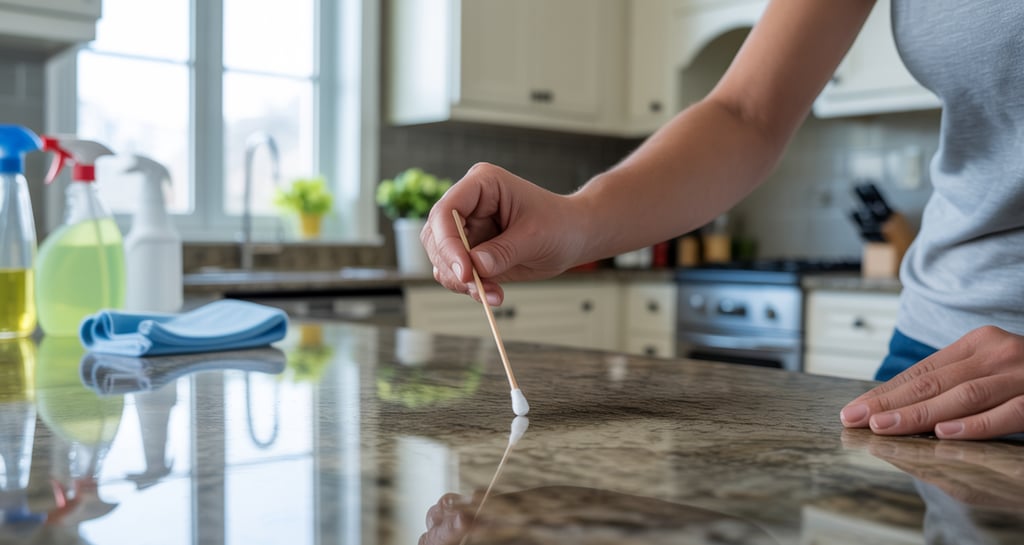
Bringing Laboratory Concepts into the Home
In professional environments such as food production, catering, and laboratories, hygiene monitoring is often carried out using swab and dipslide systems. These methods are designed to screen surfaces for microbial growth and assess cleanliness trends over time.
This type of home test kit is based on the same basic scientific principles adapted for safe, non-professional use. It does not require sending samples to a laboratory or interpreting complex data. Instead, it allows users to observe microbial growth visually, helping them make more informed decisions about cleaning and hygiene practices at home.
Importantly, this kind of kit is intended for screening and awareness, not for medical diagnosis or regulatory testing.
Why Household Hygiene Matters
Everyday household surfaces can become contaminated through normal use:
hands touching fridge handles and cupboard doors
raw food preparation on cutting boards and countertops
moisture buildup around sinks, dishwashers, and refrigerators
shared surfaces such as doorknobs, switches, and appliance buttons
Even when a home looks clean, microorganisms can persist especially if cleaning is inconsistent, products are used incorrectly, or certain areas are overlooked.
For families with young children, elderly household members, or pets, understanding hygiene risks can be particularly valuable. Awareness supports better habits, not fear.
What Can You Test?
A microbial growth test kit can be used on a wide variety of surfaces, including:
Food-Related Areas
cutting boards
kitchen counters
refrigerator and freezer handles
appliance interiors (where appropriate)
reusable water bottles or containers
High-Touch Household Surfaces
door handles and light switches
remote controls and mobile devices
cabinet handles
shared work or play surfaces
Moist or Problem Areas
sink drains and surrounding surfaces
fridge drip trays
water sources or standing water (following instructions carefully)
Testing these areas can highlight patterns-such as which surfaces require more frequent cleaning or different cleaning methods.
How the Process Works (In Simple Terms)
Swab the surface following the provided instructions
Apply the swab to the test surface (dipslide or contact medium)
Allow time for incubation at room temperature
Observe visible growth, if present
After incubation, microbial colonies-if they grow-become visible. This visual feedback is one of the most educational aspects of the process.
Understanding the Results
The results are visual and comparative, not diagnostic. Most kits include a reference chart that helps users:
estimate the level of surface contamination
recognize general growth patterns
compare results between surfaces or before/after cleaning
This makes it easier to answer practical questions such as:
Is my cleaning routine effective?
Are some surfaces consistently more contaminated than others?
Do certain products or methods work better?
The goal is improved hygiene awareness, not identifying specific microorganisms.
A Tool for Learning, Not Alarm
It’s important to understand that microbial presence is normal. Not all bacteria are harmful, and complete sterility is neither realistic nor necessary in a home environment.
This type of testing is most useful when approached as:
an educational experience
a way to improve cleaning habits
a tool for consistency and awareness
It helps replace assumptions with observations and encourages mindful hygiene rather than unnecessary worry.
Who Can Benefit from This Kind of Kit?
This screening tool can be useful for:
homeowners who want confidence in their cleaning routines
parents teaching children about hygiene and responsibility
home cooks interested in food safety
pet owners managing shared environments
educators looking for simple science-based demonstrations
It also makes a thoughtful, practical gift for people who enjoy learning, organizing, or maintaining a healthy home.
Screen-Free, Practical, and Empowering
In a world filled with digital solutions, there’s value in hands-on, screen-free learning. This type of test kit encourages observation, patience, and curiosity-skills that are valuable for both adults and children.
More importantly, it empowers users to take an informed approach to cleanliness rather than relying solely on marketing claims or assumptions.
Cleanliness is about more than appearances-it’s about understanding our environment and making thoughtful choices. A Home, Kitchen & Appliance Microbial Growth Test Kit offers a simple, accessible way to explore hygiene at home using principles long trusted in professional settings.
By turning invisible processes into visible learning moments, this kind of kit helps bridge the gap between “looking clean” and being informed-supporting healthier habits, safer food handling, and greater peace of mind.
Because when it comes to protecting what matters most, knowledge is one of the most powerful tools we have.
If anyone has questions about the process or how this type of testing works, feel free to ask - I’m happy to explain everything clearly and step by step.
Stay informed!
Subscribe to get the latest food safety tips!
© 2025. All rights reserved.
hello@foodsafetybase.com