
HACCP at Home: How to Think About Food Safety Like a Pro
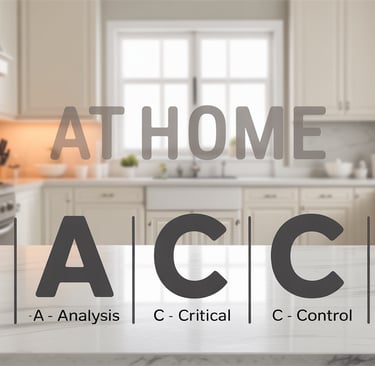
What Does HACCP Mean? HACCP stands for Hazard Analysis and Critical Control Points. It’s a professional food safety system designed to identify where food can become unsafe and prevent problems before they happen - not after. At home, HACCP is simply about thinking ahead while cooking and making small decisions that keep food safe. It’s about spotting hazards-like bacteria, chemicals, or even small bits of packaging-before they become a problem, and taking action at key steps, called Critical Control Points, to keep food safe. Simple practices like cooking meat to the right temperature, washing fruits and vegetables, keeping raw and ready-to-eat foods separate, using clean utensils, checking food dates, and storing leftovers properly all follow the same principles. By thinking like a food safety professional, you can reduce the risk of foodborne illness for yourself and your family. HACCP at home isn’t about being strict or complicated-it’s about being mindful, organized, and proactive, turning everyday kitchen habits into smart safety practices.
1/24/20261 min read

How HACCP Works (In Plain Language)
Food safety risks usually fall into three categories: biological (bacteria), chemical (cleaners, allergens), and physical(foreign objects). HACCP helps you notice these risks and manage them before they turn into real problems.
HACCP at Home: Simple Steps Anyone Can Follow
1. Know Where Food Can Go Wrong
Most food safety problems happen during everyday moments like handling raw meat, preparing leftovers, or storing food incorrectly. Recognizing these risk points helps you stay one step ahead.
2. Control the Critical Moments
Critical moments are times when food safety matters most - such as handwashing, cooking, or cooling food. Small actions taken at the right time can completely stop bacteria from spreading.
3. Separate Raw and Ready-to-Eat Foods
Raw meat, poultry, and eggs can carry harmful bacteria. Keeping them separate from cooked or ready-to-eat foods is one of the easiest and most effective safety habits.
4. Temperature Is Your Best Safety Tool
Bacteria grow fastest in the “danger zone” between 5°C and 60°C (40°F–140°F). Proper cooking, cooling, and refrigeration keep food out of this range and reduce risk.
5. Label, Store, and Rotate Food
Knowing what food is and how old it is prevents accidental spoilage. Labeling leftovers and using older food first helps avoid waste and foodborne illness.
6. Clean as You Go
Cleaning while you cook prevents bacteria from spreading around your kitchen. Regularly wiping surfaces and washing hands keeps hazards under control without extra effort.
7. Trust Your Judgment
If something looks, smells, or feels wrong, it probably is. HACCP encourages confidence - when in doubt, it’s safer to throw food away than take a risk
Remember This
HACCP at home isn’t about rules or stress - it’s about awareness and prevention. When you think like a professional, food safety becomes second nature.
Stay informed!
Subscribe to get the latest food safety tips!
© 2025. All rights reserved.
hello@foodsafetybase.com