
Good Habits for Kids: From Manners to Handwashing
When was the last time you reminded your child to say “please” or to wash their hands before dinner? These little everyday moments may seem small, but they’re powerful lessons that shape a child’s character for life. As someone who’s spent years studying food safety and child hygiene, I’ve seen how these daily actions connect health, responsibility, and kindness. The truth is, the same good habits that keep our kitchens clean also help our children grow into thoughtful, confident, and caring people. Good manners and simple routines do more than make life smoother—they help children understand respect, gratitude, and empathy. Whether it’s washing hands, helping at the table, or saying thank you, these actions build self-awareness and kindness from the inside out. And when we make these lessons fun and consistent, they become habits that last a lifetime.
10/30/20253 min read
Why Small Habits Matter
Children learn through repetition and imitation. Every thank-you, every handwash, every time they help at the table-they’re absorbing what it means to care for themselves and for others.
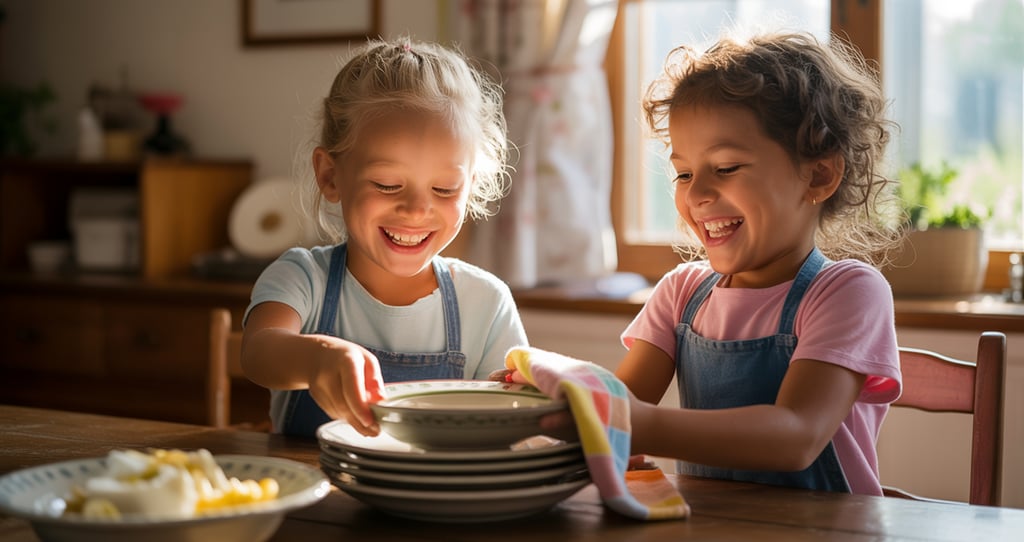
Handwashing, for example, isn’t just about staying germ-free; it’s about teaching responsibility. Setting the table isn’t just a chore; it’s an early lesson in teamwork and respect. When kids practice these small routines every day, they’re building self-control, empathy, and awareness-skills that support them far beyond childhood.
Healthy habits are also protective. A simple “wash your hands before you eat” helps prevent the spread of bacteria and illness, keeping your family safer. But just as importantly, it teaches mindfulness: the understanding that what we do affects everyone around us.
Everyday Habits That Shape Character
Below are some of the simplest routines that can make the biggest difference:
Saying “Please” and “Thank You.” Gratitude and politeness help children recognize kindness in others and respond with respect.
Handwashing Before Eating. Builds a lifelong connection between cleanliness, health, and responsibility.
Helping Set the Table. Encourages cooperation and the joy of contributing.
Listening and Waiting Their Turn. Fosters patience and empathy.
Cleaning Up After Themselves. Teaches accountability and pride in their environment.
These moments don’t require lectures or charts of rules-they work best when modeled with warmth and consistency.
Fun Ways to Teach Good Habits
The secret to making good habits stick? Keep them playful and positive!
Turn habits into games. Use stickers, stars, or mini challenges like “Wash, rinse, repeat-then earn a high five!”
Add color and creativity. Kids respond to visuals. A Printable Handwashing Chart for Kids can transform a dull reminder into an exciting reward system.
Read and color together. My Santa’s Good Habits Coloring Book was designed exactly for this-each page shows Santa modeling kindness, patience, and gratitude in festive, fun ways. It’s proof that learning manners can feel like magic.
Create routine cards or posters. Post them near the sink or dining table to keep habits front-of-mind. Adults can even use matching food-safety posters as daily visual cues.
These small tools make learning tangible, turning “Do this!” into “Let’s do this together.”
Hygiene and Manners: A Connected Lesson
Clean hands and polite behavior might not sound related, but they share the same foundation: respect.
When kids learn to wash their hands before meals, they’re showing respect for their own health and for the people who share their food.
As a food-safety professional, I’ve watched how awareness grows from these tiny actions. A child who understands why clean hands matter will one day care about safe kitchens, proper storage, and the wellbeing of others.
Tip: Play a 20-second song while washing hands-sing “Jingle Bells” or “Twinkle, Twinkle, Little Star” together. It keeps the routine fun and builds timing skills too!
Building Character Through Routine
Good habits don’t just teach order; they shape how children see the world.
When a child learns to wait their turn or say thank you, they’re learning empathy.
When they help tidy up after dinner, they’re learning responsibility and gratitude for what they have.
And when they follow hygiene routines, they’re learning mindfulness-the idea that caring for oneself and one’s surroundings is a sign of respect and love.
Over time, these lessons form the foundation of character.
Bringing It All Together
Kindness, respect, and hygiene may seem like different lessons, but together they teach children the same truth: that small actions create a big impact. Every please, every washed hand, every shared toy builds a more caring, mindful world-starting right at home.
If you’d like simple tools to help make these lessons fun, explore the free printable handwashing chart, educational posters, and coloring books in my shop. They’re designed to turn learning into laughter while keeping families safe and connected.
Let’s raise a generation of children who are as kind as they are clean, as mindful as they are joyful-and who see every small habit as a way to make the world a little better.
Suggested Resources
🖍️ Santa’s Good Habits Coloring Book — Teach kindness, gratitude, and healthy routines through coloring fun.
🧼 Printable Handwashing Chart for Kids — Encourage daily hygiene with bright, motivational visuals.
🍽️ Kitchen Safety Posters for Adults — Simple reminders that make food safety effortless at home or work.
Stay informed!
Subscribe to get the latest food safety tips!
© 2025. All rights reserved.
hello@foodsafetybase.com