
From Fridge to Plate: Where Food Safety Often Goes Wrong
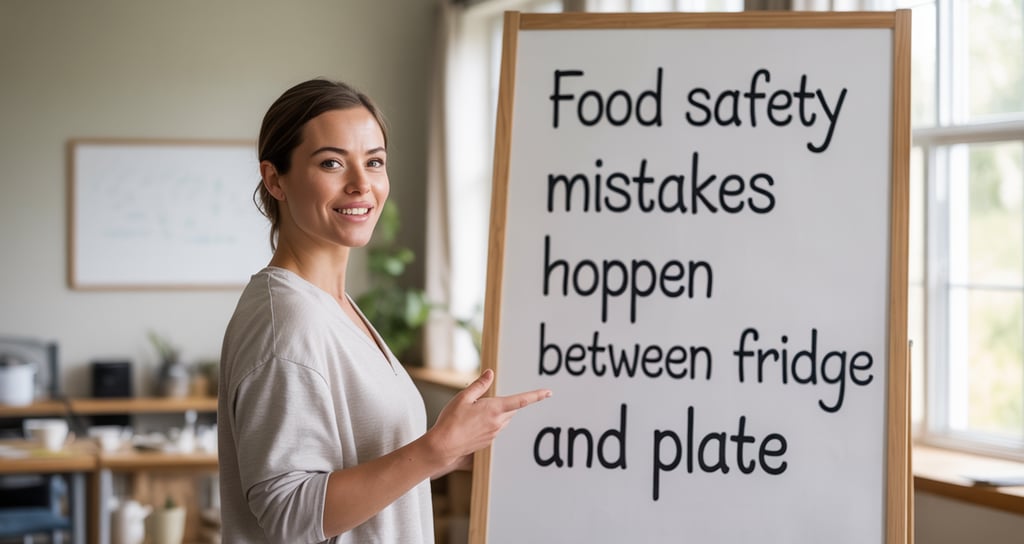
Food safety mistakes rarely happen because people don’t care. Most of the time, they happen because everyday habits feel harmless. Food looks fine, smells normal, and tastes good-so it must be safe, right? Unfortunately, that assumption is one of the most common reasons foodborne illness occurs at home. From the moment groceries enter your kitchen to the time food is served and stored as leftovers, there are several points where food safety can quietly break down. Understanding where food safety often goes wrong is the first step toward preventing illness and protecting your household. Let’s walk through the entire journey from fridge to plate and highlight the most common food safety risks along the way.
1/20/20263 min read
Grocery Storage Is Where Food Safety Begins
Food safety doesn’t start when you cook-it starts when you put groceries away.
One of the most common mistakes is improper refrigerator storage. Raw meat, poultry, and seafood can leak juices containing harmful bacteria like Salmonella and Campylobacter. When these foods are stored above ready-to-eat items such as fruits, vegetables, or leftovers, bacteria can drip down and cause cross contamination.
Common storage mistakes:
· Raw meat stored on upper shelves
· Open or poorly sealed packaging
· Overcrowded refrigerators that block airflow
Safer habits:
· Store raw meat on the lowest shelf in sealed containers
· Keep ready-to-eat foods higher up
· Use clear containers to avoid accidental contact
A well-organized fridge reduces the risk of cross contamination and helps food stay fresh longer.
The Temperature “Danger Zone” Causes More Problems Than You Think
Temperature control is one of the most important and most ignored-food safety rules.
Bacteria grow fastest in what’s known as the danger zone, between 40°F and 140°F (4°C–60°C). When food stays in this range for too long, bacteria can multiply rapidly without any visible signs.
Where temperature mistakes often happen:
· Leaving groceries out too long after shopping
· Thawing frozen food on the counter
· Letting cooked food cool at room temperature for hours
What to do instead:
· Refrigerate perishable foods within 2 hours (1 hour if it’s hot)
· Thaw food in the refrigerator, microwave, or cold water
· Keep hot foods hot and cold foods cold
Time and temperature control are essential for preventing foodborne illness-even when food looks perfectly fine.
Cross Contamination During Food Preparation
Cross contamination is one of the most common causes of food safety issues at home.
It happens when bacteria transfer from one surface, food, or hand to another. This often occurs during food preparation when people move quickly between tasks.
Common cross contamination habits:
· Using the same cutting board for raw meat and vegetables
· Not washing hands between handling different foods
· Reusing knives, plates, or utensils without cleaning
Even countertops, spice containers, and fridge handles can spread bacteria if touched with contaminated hands.
How to reduce the risk:
· Use separate cutting boards for raw meat and produce
· Wash hands with soap and warm water for at least 20 seconds
· Clean and sanitize surfaces after contact with raw foods
Small changes in food handling habits can significantly reduce the spread of harmful bacteria.
Cooking Doesn’t Always Mean Food Is Safe
Many people rely on color, texture, or smell to judge doneness, but these are unreliable indicators of food safety.
Meat can appear fully cooked and still be undercooked internally. Harmful bacteria are destroyed only when food reaches the correct internal temperature.
Common cooking mistakes:
· Undercooking poultry, ground meat, or eggs
· Assuming browned meat is safe
· Skipping temperature checks
Safer approach:
· Use a food thermometer
· Follow recommended internal temperatures:
o Poultry: 165°F (74°C)
o Ground meats: 160°F (71°C)
o Whole cuts of beef, pork, lamb: 145°F (63°C) with rest time
Cooking food thoroughly is one of the most effective ways to prevent foodborne illness, but only when done correctly.
Serving and Leftovers: The Forgotten Food Safety Step
Food safety doesn’t end when cooking is finished. In fact, many risks appear during serving and storage of leftovers.
Leaving food out too long allows bacteria to grow again, even after proper cooking.
Common serving mistakes:
· Leaving food on the table for hours
· Family-style serving with shared utensils
· Not refrigerating leftovers promptly
Safer leftover practices:
· Refrigerate leftovers within 2 hours
· Divide large portions into smaller containers
· Label leftovers with dates and use them within safe time limits
When in doubt, remember: when food safety is questionable, it’s safer to throw it out.
A Clean Kitchen Can Still Hide Risks
A kitchen can look spotless and still harbor bacteria.
Sponges, dishcloths, and sinks are some of the most contaminated items in the kitchen. These tools are often damp and reused repeatedly, creating ideal conditions for bacterial growth.
Hidden problem areas:
· Sponges and cleaning cloths
· Sink drains and faucets
· Refrigerator handles and appliance buttons
Better cleaning habits:
· Replace sponges frequently or disinfect them daily
· Wash dishcloths in hot water
· Clean and sanitize high-touch surfaces regularly
Cleanliness isn’t just about appearance-it’s about reducing invisible risks.
Food Safety Is a Process, Not One Step
Food safety doesn’t depend on one perfect action. It’s a series of small decisions made every day-from storing groceries correctly to handling leftovers safely.
The good news is that most foodborne illness can be prevented with awareness and simple habits. You don’t need a perfect kitchen-just informed choices and consistent routines.
By paying attention to where food safety often goes wrong, you can protect yourself and your family and enjoy meals with greater confidence and peace of mind.
Stay informed!
Subscribe to get the latest food safety tips!
© 2025. All rights reserved.
hello@foodsafetybase.com