
A Sweet, Sticky Taste of Home and History - Sweet Rolls with Jam
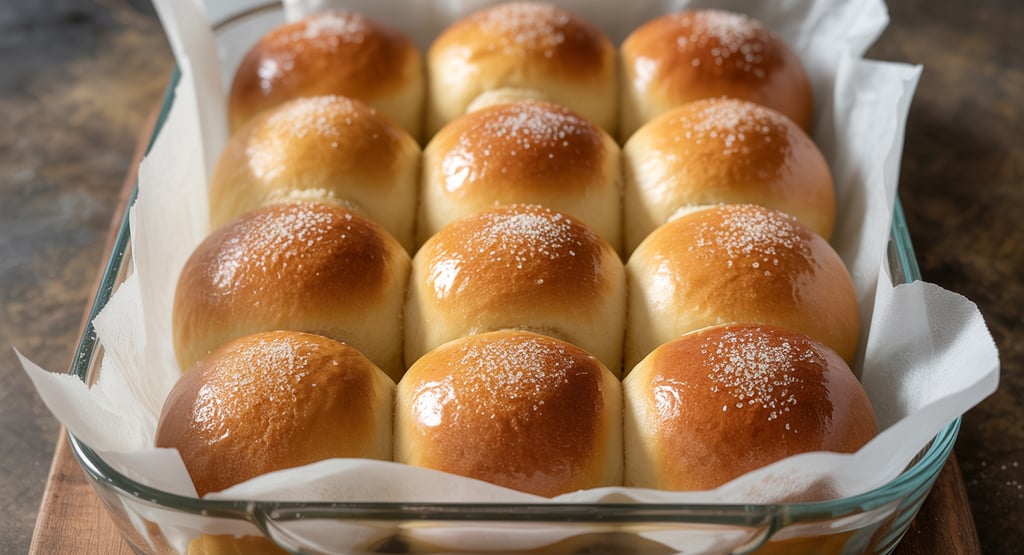
More Than Just a Sweet Roll: The Soul of Buhtle Every culture has its signature comfort food, that one dish that instantly transports you back to your grandmother’s kitchen, where the world felt utterly safe. In Croatia and throughout Central Europe, that dish is the Buhtla (plural: Buhtle). These aren't just sweet rolls; Buhtle sa pekmezom (Sweet Rolls with Jam) are a culinary institution. They are a testament to the enduring simplicity of perfectly executed yeast dough. With their pillowy-soft texture, subtle buttery sweetness, and a burst of tangy apricot jam at the center, they embody the true warmth of traditional home baking. They are the ultimate indulgence for your morning coffee, afternoon tea, or a tall glass of cold milk for the children.
11/1/20255 min read
A Journey Through Central European History
The story of the Buhtla (Sweet Rolls) is one that spans empires, borders, and centuries. While widely adored in Croatia, its roots are deep in the heart of the former Austro-Hungarian monarchy. The dish is believed to have originated in the historical region of Bohemia (now part of the Czech Republic), where they are known as Buchty.
As the Austro-Hungarian Empire expanded, so too did its culinary repertoire. This sweet yeast bun, simple yet satisfying, traveled easily across borders, taking on slight regional variations but maintaining its core character. Today, you’ll find beloved versions under different names:
Austria: Buchteln (often served with a creamy vanilla sauce).
Hungary: Bukta.
Slovenia: Buhteljni.
Germany (Bavaria): Rohrnudeln or Ofennudeln.
This shared culinary heritage speaks to a common historical thread woven through the region. For Croatians, the Buhtle is an heirloom, a recipe that has been passed down with careful instruction and a generous dose of love. It’s a staple of continental Croatian cuisine, particularly in the northern regions like Slavonia and the capital region, though its popularity is nationwide.
The Magic of the Dough: Rich, Enriched, and Patient
What elevates a Buhtla above a standard yeast bun is the enriched dough. Unlike lean bread doughs, an enriched dough contains higher quantities of fat (butter), eggs, and sugar. These additions do several wonderful things:
Texture: The fat and eggs tenderize the gluten structure, resulting in that signature pillowy-soft, almost brioche-like crumb.
Flavor: The butter and yolks add a depth of richness that perfectly complements the fruit filling.
Keeping Quality: The enriched nature helps the rolls stay fresh, moist, and soft for days-a key characteristic that made them popular for busy households and traveling.
The process demands patience-the hallmark of great baking. The initial kneading, the careful addition of warm milk, and the crucial first rise are all non-negotiable steps. When you press the dough after an hour and feel that it’s doubled, light, and airy, you know the magic is starting to happen. This patience is a lesson from our grandmothers, a reminder that the best things in life-and in the kitchen-cannot be rushed.
Jam: The Perfect Partner
While you can fill Buhtle with anything from ground walnuts and poppy seeds to chocolate spread, the true traditionalist insists on Jam, apricot jam.
The tartness of the apricot jam is essential because it cuts through the richness of the buttery dough. This contrast-the sweet, soft roll meeting the bright, tangy jam-is the secret to the Buhtla's timeless appeal. It's the moment when you tear a warm roll apart, the jam oozes out, and you realize why this simple pastry has captured the hearts of millions.
This recipe provides you with the authentic method for achieving that beautiful, airy dough and a perfectly sealed, jam-packed center. It requires a little love, a little time, and a warm kitchen, but the reward is a batch of Buhtle that will bring the unforgettable taste of Central European tradition right into your home.
The Authentic Recipe: Sweet Rolls with Jam
This recipe uses the classic ratio of ingredients to ensure a soft, rich, and truly traditional result. The key to the dough’s texture is the double addition of eggs (a whole egg for structure, and two yolks for richness and color) and the generous amount of butter.
Ingredients
500 g All-Purpose Flour
1 package Instant Dry Yeast
1 Egg (Large)
2 Egg Yolks
40 g Granulated Sugar
½ teaspoon Salt
1 packet Vanilla Sugar or 1 tsp Vanilla Extract (A common traditional addition, often implied, to enhance sweetness and flavor)
100 g Unsalted Butter (Melted, for the dough)
about 250 ml Milk (Warm, not hot)
200 g Apricot Jam
Extra Butter for greasing the pan and brushing the rolls
Powdered Sugar for dusting
Preparation: Step-by-Step to Perfection
Activate and Mix the Dough:
In a large mixing bowl, combine the flour, instant dry yeast, salt, and granulated sugar. Give the dry ingredients a quick whisk to distribute them evenly.
In a separate small bowl, whisk together the whole egg, two egg yolks, and vanilla sugar/extract.
Add the egg mixture and the melted butter to the dry ingredients.
Begin kneading (either by hand or with a stand mixer fitted with a dough hook), gradually adding the warm milk. Do not add all the milk at once; you may need slightly more or less than 250 ml. The goal is a soft, smooth, and slightly tacky dough that pulls away from the sides of the bowl. Knead for a full 8-10 minutes if using a mixer, or 10-15 minutes by hand. The extensive kneading is vital for developing the gluten that gives Buhtle their lift.
The First Rise (The Wait is Worth It):
Shape the kneaded dough into a ball and place it in a bowl that has been lightly oiled (a neutral oil like sunflower or canola is fine).
Turn the dough ball over once to coat it in the oil.
Cover the bowl tightly with plastic wrap or a clean kitchen towel.
Place the bowl in a warm, draft-free spot to rise. This can take anywhere from 1 to 1.5 hours, depending on the warmth of your kitchen. The dough is ready when its volume has doubled. This step is crucial for the final soft texture-do not rush it!
Roll, Fill, and Seal:
Gently punch down the risen dough to release the air.
Transfer the dough to a lightly floured surface. Roll the dough out into a large rectangle about 5-7 mm (about ¼ inch) thick.
Using a knife or a bench scraper, cut the rectangle into equal squares (about 8x8 cm or 3x3 inches works well). You should get 12-16 squares.
Place a small teaspoon of apricot jam in the center of each square. It is important to use a small amount-too much will cause the filling to leak out and burn.
To seal: Bring the four corners of the dough square up over the jam to meet in the center. Pinch the edges together firmly to create a tightly sealed package. Roll the sealed “Buhtla” (Sweet Rolls) gently in your palms to form a smooth ball, ensuring the sealed side is down.
Arrange and Rest:
Generously grease a medium-sized baking dish (a 9x13 inch/23x33 cm rectangular pan is ideal) with butter. Line the bottom with parchment paper for easier cleanup.
As you finish shaping each Buhtla (Sweet Rolls), arrange it in the pan, placing the sealed side down. Brush each roll generously with melted butter before placing the next one beside it. This butter bath on the exterior is what prevents them from sticking together too aggressively and helps them achieve that beautiful, soft exterior.
Place the rolls close together-they should be touching or nearly touching.
Cover the pan and let the rolls rest and rise a second time for 20 minutes. They should look slightly puffier. While they rest, preheat your oven to 200 °C (392 °F).
Bake and Cool:
Place the pan in the preheated oven and bake for 35–40 minutes. The Buhtle are done when they are a deep golden brown on top and the kitchen is filled with an irresistible aroma.
Remove the pan from the oven. Let them stand in the pan for about 5 minutes.
Carefully invert the Buhtle (Sweet Rolls), onto a wire rack. If you arranged them and buttered them well, they should pull apart easily. The rolls that were on the edge will be darker and caramelized, and the ones in the center will be impossibly soft.
Serving the Classic Way
The true experience of Sweet Rolls with jam is simple:
Best Served Warm: While delicious cold, the softest, most soul-satisfying experience is when they are still warm from the oven.
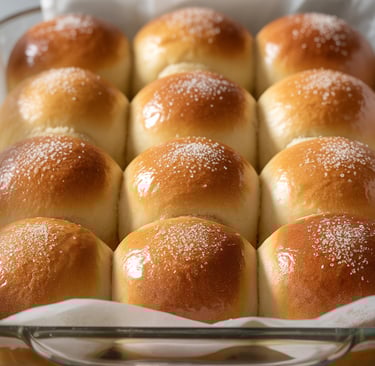
The Finishing Touch: While warm, dust them generously with a blanket of powdered sugar. This final snowy layer adds a lovely contrast and visual appeal.
These sweet rolls are remarkably moist and soft and will, as promised, retain their delicious texture even on the second day-if they last that long!
Serve them for breakfast, as a coffee-break treat, or a simple, traditional dessert that tastes like a hug from the past.
Stay informed!
Subscribe to get the latest food safety tips!
© 2025. All rights reserved.
hello@foodsafetybase.com